
Greater Kudu, Maasai Mara, 2020

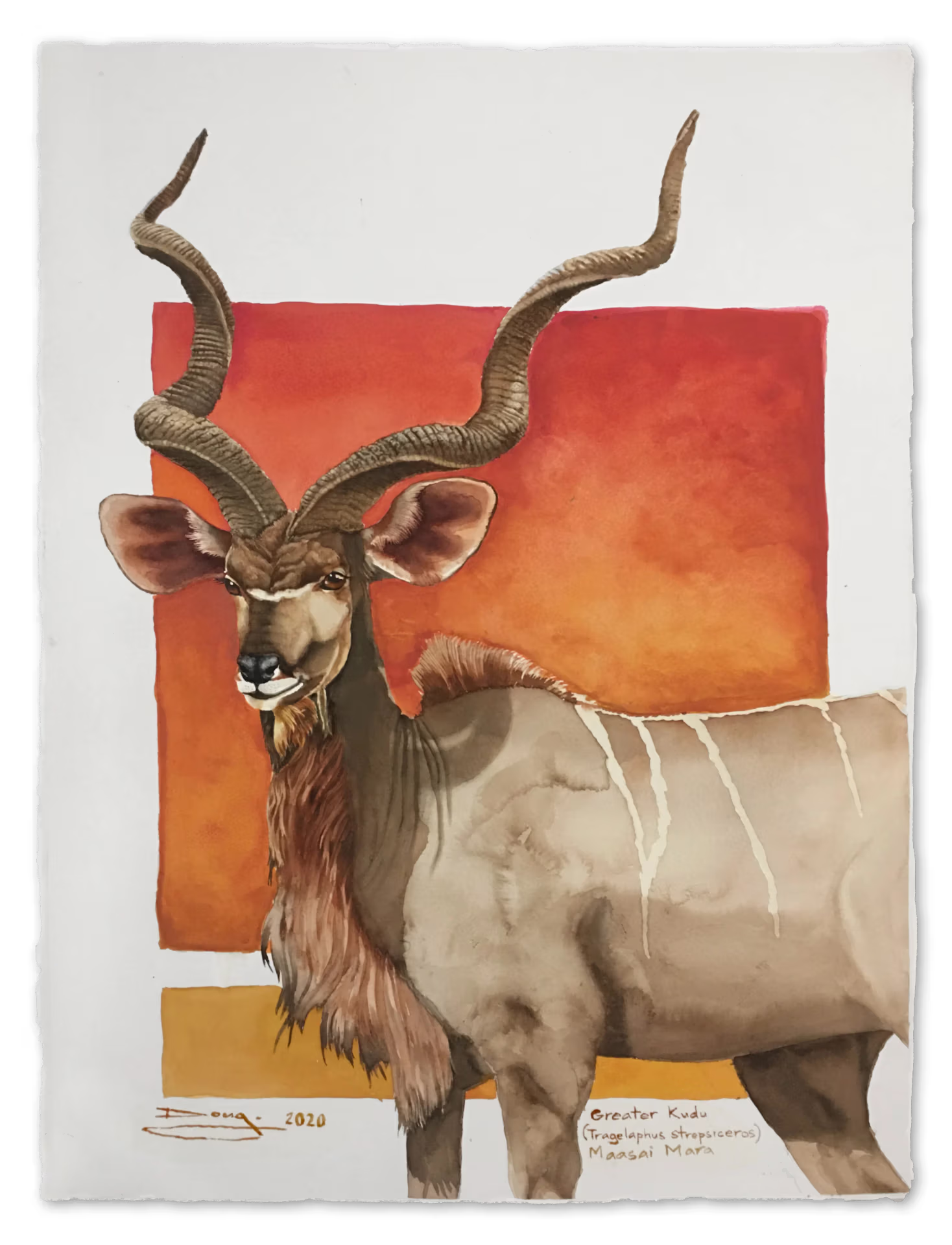
Watercolor, 22″ x 30″, on Arches rough 300lb $12,000
The greater kudu (Tragelaphus strepsiceros)
About Greater Kudus:
The greater kudu is a woodland antelope found throughout eastern and southern Africa. Despite occupying such widespread territory, they are sparsely populated in most areas due to declining habitat, deforestation, and poaching. The greater kudu is one of two species commonly known as kudu, the other being the lesser kudu, T. imberbis.
Both the greater kudu and its close cousin, the lesser kudu, have stripes and spots on the body, and most have a chevron of white hair between the eyes. Males have long, spiral horns. The greater kudu’s horns are spectacular and can grow as long as 1.8 meters (about 6 feet), making 2-1/2 graceful twists.
Range Map of the Greater Kudu

Greater Kudus in the Massai Mara
I took the original reference photo for this painting on a safari in the Maasai Mara (Kenya). Sightings of greater kudu are quite rare, and this example was majestic. My photo was poorly lit and grainy, however so I relied on several creative commons images for my final reference.
The Mara is famous for being the second stage of the great migration, where antelopes, wildebeest, zebra mass in the millions to brave lions, hyenas and the crocodile infested water crossings of the Mara River that occurs around late July to August with parts of September and again on their return south, around the last two weeks of October through early November.
The Maasai Mara is home to 15 conservancies, managed by The Maasai Mara Wildlife Conservancies Association (MMWCA) and covers an area of 347,011 acres, employing 280 rangers.
Kudus, both greater and lesser are populous in South Africa and Zambia but are much rarer in East Africa. With only 118,000 kudus remaining in the wild, kudus have a ‘near threatened conservation status’ according the African Wildlife Foundation. Hunters shoot them for their hides and/or meat and their horns are a much-wanted collector’s item. Local people use their horns in rituals, to store honey or to make instruments out of them. Habitat loss is another threat to the kudu population.
About the painting:
I started this project on my laptop, by compositing the kudu against a square flat panel of color, with a separated lower strip to represent a horizon line, then sketching in a detailed outline using my pressure sensitive Intuos graphics tablet. Once I had outlines that I liked I printed them out and taped them down to my large format lightbox. I use the lightbox rather than graphite transfer paper or pencil drawings to leave the watercolor paper free of any outlines.
I then taped over a 30” x 22” piece of Arches Rough 100% cotton watercolor paper. I used Van Gogh and Winsor & Newton paints, applying broad background washes first, which I eventually overpainted with acrylics to get a solid flatter and deeper background panel. I then laid in the base body and head textures using a combination of wet on wet, dry brush and wet on dry washes. I used small amounts of sea salt to form the horn texture patterns and deliberate “bloom” backwash effects on the shoulder area. Then I went back with a series of glazes to build up contrast and shadows, finally using a zero size synthetic sable brush to render the details of the horns, hair, eyes and muzzle, leaving the body very loose.
You can see the stage-by-stage progress in my CREATIVE PROCESS section.
I am donating 50% of the proceeds from an upcoming fundraising auction towards the Maasai Mara Conservancies Association, which consists of 15 conservancies and which, collectively, operate 1,450 safari parks.
My Kudu Conservation Commitment
25% of all proceeds
from “Kudu” artwork and merchandise goes to the Maasai Mara Wildlife Conservancies for their antelope programme.
Buy the Original or Prints
Coming Soon: Custom Frames and Matt boards - Over 100 styles!!!